How Electric Skid Steers Reduce Noise and Local Emissions on Job Sites
Construction sites, warehouses, agricultural facilities, and urban renovation projects often face challenges related to equipment noise and air quality. Traditional diesel-powered machinery produces engine noise and exhaust emissions that can affect workers, nearby residents, and the surrounding environment. As businesses look for practical ways to address these concerns, battery-powered construction equipment is receiving greater attention.
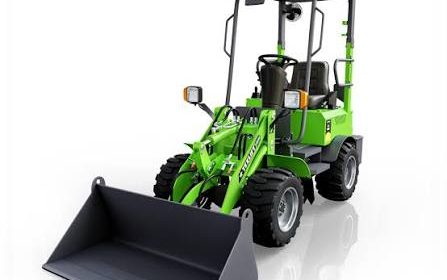
An Electric Skid Steer uses electric motors and a rechargeable battery instead of a conventional diesel engine. This design eliminates tailpipe exhaust during operation and generally reduces engine-related noise, making electric models useful for certain indoor and noise-sensitive applications. Understanding these benefits can help equipment owners decide whether electric machinery suits their operational and environmental goals.
1. Understanding Noise and Emissions from Construction Equipment
Construction equipment contributes to environmental conditions through several sources. Diesel engines generate combustion noise, vibration, and exhaust gases. Depending on the machine and its workload, these emissions may include nitrogen oxides, particulate matter, carbon monoxide, and other pollutants.
Noise comes from more than the engine alone. Hydraulic pumps, cooling fans, tires or tracks, attachment contact, alarms, and the movement of materials can all contribute to the sound produced by a machine.
The impact varies according to equipment design, operating duration, proximity to people, and the characteristics of the worksite. A machine operating near homes or inside a commercial building may create different concerns from one working in an open, remote construction area.
Electric skid steers address part of this challenge by removing the conventional combustion engine from the operating system. However, the level of noise and the broader environmental benefits still depend on the machine’s design, workload, and electricity source.
2. How Electric Skid Steers Reduce Local Emissions
The main environmental advantage of an electric skid steer is that it produces no exhaust emissions at the point of operation. Because the machine does not burn diesel in an onboard combustion engine, it does not release engine exhaust directly into the immediate work area.
This can be particularly beneficial in enclosed or partially enclosed facilities, where diesel exhaust may require additional ventilation and exposure controls. Reducing exhaust at the source can also support cleaner working conditions in locations where people spend extended periods near equipment.
Electric machinery does not eliminate every source of air pollution. Dust from excavation, material handling, and road surfaces may still be generated. Other equipment and vehicles can also contribute emissions to the worksite.
In addition, electricity generation and battery manufacturing can produce emissions outside the operating location. Therefore, the environmental benefits of electric equipment should be assessed in terms of both local air quality and the broader energy supply.
3. Improving Indoor Air Quality in Enclosed Workspaces
Indoor construction and industrial facilities can present particular challenges for diesel-powered machinery. Warehouses, workshops, commercial buildings, agricultural structures, and renovation sites may have limited ventilation or restricted access to outdoor air.
Since an electric skid steer does not produce tailpipe exhaust while operating, it can reduce one important source of indoor air contamination. This can be useful during material movement, debris removal, and other suitable tasks in enclosed environments.
However, an electric machine should not be treated as a guarantee of safe indoor air quality. Construction dust, chemicals, coatings, welding fumes, and emissions from other equipment may still require ventilation, monitoring, or protective measures.
Before operating indoors, businesses should evaluate the floor’s load capacity, available clearance, ventilation requirements, and the hazards associated with the task. The machine must also be approved for the intended environment and operated according to the manufacturer’s instructions.
4. Why Electric Skid Steers Are Generally Quieter
Electric motors operate without the repeated combustion events that produce noise in diesel engines. As a result, electric skid steers are generally quieter during operation than comparable diesel-powered models, particularly when engine noise would otherwise be a major part of the total sound level.
Reduced engine noise can make conversations easier in some situations and may improve comfort for workers who spend long periods near operating machinery. It can also be valuable at locations where construction activities take place near occupied buildings.
The amount of noise reduction varies by machine, speed, attachment, surface, and workload. Hydraulic systems, tires or tracks, warning alarms, and contact with materials continue to generate sound.
For this reason, buyers should compare measured sound levels for specific models under comparable operating conditions rather than assuming that every electric skid steer has the same noise performance.
5. Benefits for Urban Construction and Renovation
Urban construction projects often take place close to homes, offices, schools, shops, and public spaces. Noise restrictions and concerns about local air quality can affect when and how machinery is used.
Electric skid steers may help contractors manage these challenges by reducing engine-related noise and eliminating exhaust emissions at the worksite. They can be useful for selected tasks such as moving materials, clearing debris, and preparing surfaces in restricted areas.
Their compact size can also support maneuverability in narrow work zones, although actual suitability depends on machine dimensions and site access.
Contractors should still comply with local noise regulations, construction-hour restrictions, and safety requirements. Lower equipment noise does not automatically authorize work outside permitted hours, and nearby residents may still be affected by other construction activities.
6. Supporting Work in Warehouses and Industrial Facilities
Warehouses and industrial buildings often require compact equipment to move materials through aisles, loading areas, and production spaces. In these environments, exhaust emissions and noise can affect both working conditions and facility operations.
Electric skid steers can be suitable for selected indoor material-handling tasks when their dimensions, load capacity, floor requirements, and attachment capabilities meet the site’s needs.
The absence of tailpipe exhaust can reduce the need to manage emissions from the skid steer itself, while quieter operation may help limit disruption in busy facilities. These advantages can be particularly relevant when machinery operates near employees or other ongoing activities.
Before introducing an electric machine, facility managers should verify electrical charging arrangements, pedestrian routes, floor load limits, overhead clearance, and safe operating procedures. Ventilation may still be necessary for other work processes and airborne contaminants.
7. Reducing Noise Exposure for Workers
Repeated exposure to high noise levels can contribute to hearing damage and make communication more difficult. Construction workers may be exposed to noise from several machines at once, along with tools, alarms, and material handling.
A quieter skid steer can help reduce the contribution of one piece of equipment to the overall noise environment. This may improve comfort and communication, particularly in locations where workers need to coordinate movements or work near other personnel.
However, the effect on total workplace noise depends on the surrounding activities. A quieter machine may offer limited overall benefit if other equipment continues to produce high sound levels.
Employers should conduct appropriate noise assessments and follow applicable occupational safety requirements. Hearing protection, equipment maintenance, work scheduling, and designated exclusion zones may still be necessary.
8. How Electric Operation Can Reduce Vibration
Combustion engines create vibration through the movement of internal components and the repeated firing of cylinders. Electric motors generally avoid these combustion-related vibration sources, although the machine still experiences vibration from its drivetrain, hydraulic equipment, tires or tracks, and movement across uneven surfaces.
Lower vibration from the power system may contribute to a different operating experience for the operator. However, actual whole-machine vibration depends on seat design, suspension, terrain, machine speed, attachment use, and maintenance condition.
Businesses evaluating operator comfort should consider both noise and vibration rather than focusing on the power source alone. A practical machine demonstration can help operators assess comfort under representative working conditions.
9. The Relationship Between Electricity and Overall Emissions
Electric skid steers eliminate exhaust emissions at the point of use, but their overall environmental impact also depends on how the electricity is generated. Charging from a power grid supplied largely by fossil fuels may create emissions at power plants, while electricity from lower-emission sources can reduce the associated carbon footprint.
Battery manufacturing, transportation, maintenance, and end-of-life management also contribute to a machine’s life-cycle impact.
For businesses seeking to measure environmental performance, it is useful to distinguish between three concepts:
- Local exhaust emissions: Emissions released directly by the machine during operation. Electric skid steers have none from an onboard combustion engine.
- Energy-related emissions: Emissions associated with producing the electricity used for charging.
- Life-cycle emissions: Emissions associated with manufacturing, operating, maintaining, and disposing of the equipment and its battery.
This distinction supports more accurate environmental reporting and avoids overstating the benefits of any single technology.
10. Maintenance and Its Effect on Noise and Emissions
Equipment condition influences both noise and environmental performance. Damaged components, loose parts, worn tires, hydraulic faults, or poorly maintained cooling systems can affect how a machine operates.
Electric skid steers generally avoid diesel engine servicing tasks such as engine oil changes and fuel-filter replacements. They still require regular inspections of motors, electrical connections, battery systems, hydraulic components, tires or tracks, and attachments.
A well-maintained machine is more likely to operate reliably and may avoid unnecessary noise caused by loose or damaged parts. Proper maintenance also helps preserve energy efficiency and reduce the likelihood of unexpected breakdowns.
Operators should follow the manufacturer’s service schedule and report unusual sounds, warning indicators, or changes in performance. Electrical and high-voltage battery repairs should be handled by appropriately qualified personnel.
11. Choosing an Electric Skid Steer for Noise-Sensitive Projects
Not every construction project has the same requirements. Businesses should evaluate whether reduced noise and local emissions offer meaningful benefits for their particular operations.
Before purchasing, consider:
- Work location: Determine whether the machine will operate indoors, near occupied buildings, or in areas with strict environmental requirements.
- Daily workload: Estimate operating hours, load requirements, and attachment use.
- Noise performance: Compare available sound-level information for relevant models.
- Charging access: Confirm that the site can support the required charger and charging schedule.
- Equipment capacity: Verify rated operating capacity, dimensions, hydraulic flow, and attachment compatibility.
- Total ownership cost: Compare purchase price, electricity, maintenance, charging infrastructure, and expected service life.
- Local requirements: Check applicable noise limits, emissions rules, and workplace safety standards.
A machine that meets these requirements is more likely to deliver practical benefits without creating new operational difficulties.
12. Practical Ways to Maximize Environmental Benefits
Businesses can improve the results of electric equipment by combining the right machine choice with efficient work practices.
Plan material movement to reduce unnecessary travel and repeated handling. Use attachments suited to the task, avoid overloading the machine, and maintain tires or tracks and hydraulic systems according to the manufacturer’s recommendations.
Schedule charging to fit the working day and investigate electricity options that align with the company’s energy and sustainability goals. Where feasible, using lower-emission electricity can help reduce the emissions associated with equipment charging.
Worksite management remains important. Control dust, maintain safe pedestrian routes, reduce unnecessary idling by other machinery, and coordinate equipment use to limit avoidable noise.
These measures help ensure that the benefits of electric equipment form part of a broader approach to cleaner and more efficient site operations.
Conclusion
Electric skid steers can help reduce noise and local exhaust emissions on construction sites, in warehouses, and in other suitable working environments. Their battery-powered operation eliminates tailpipe exhaust and generally reduces engine-related noise, offering practical advantages for indoor work and projects near occupied areas.
These benefits do not remove every environmental or safety concern. Dust, attachment noise, electricity-generation emissions, and other workplace hazards still require attention. By selecting suitable equipment, maintaining it properly, planning charging, and following site-specific safety procedures, businesses can make informed decisions about using electric skid steers to support quieter and cleaner operations.